E-waste Recycling: How It Works in India
Recent Blog
Filatex India’s 300 cr recycling plant
September 7, 2026
The US Just Locked Its Battery Waste at the Border
August 13, 2026
India’s Recycling Stocks Are Quietly Printing Money
May 27, 2026
Rs 2,384 CroreGST Fraud Racket Exposed in Bengaluru
May 14, 2026
Ready to Elevate your Waste Management.
E-Waste Recycling in India – What Is It?
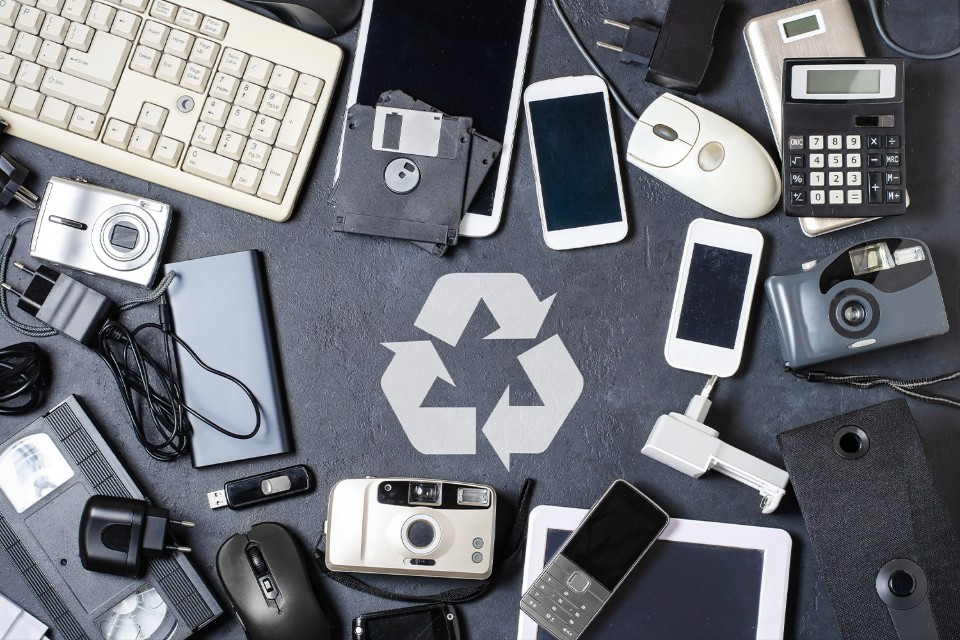
E-waste recycling refers to the safe and efficient processing of discarded electronic devices to recover useful materials like copper, gold, and plastic. Instead of letting harmful components end up in landfills, recycling gives these materials a second life in the form of new products. With electronic waste growing rapidly across the country, proper recycling is now more important than ever to protect the environment and public health. Rewasto is one of the companies in India committed to responsible e-waste management. Through advanced methods and eco-conscious efforts, Rewasto helps reduce the impact of e-waste while promoting a sustainable future.
Recyclable Components in E-waste
E-waste recycling plays a vital role in reducing the growing burden of electronic waste in India. Promoting recycling at every level—individual, household, or industry—can make a big difference. Many parts of electronic devices can be recovered and reused. Key recyclable components include:
Plastics
Metals
Glass
Mercury-containing parts
Circuit boards
Hard drives
Toner and ink cartridges
Batteries and more
Plastics
Metals
Glass
Mercury-containing parts
Circuit boards
Hard drives
Toner and ink cartridges
Batteries and more
The E-waste Recycling Process
Managing e-waste recycling is a complex task that involves multiple stages and requires strict adherence to safe and sustainable practices. It’s not just about disposal—it’s about careful handling and responsible processing. Here’s how many e-waste management companies in India, including Rewasto, typically carry out the recycling process:
The recycling journey begins with the collection and transportation of electronic waste. Scrap dealers and authorized recyclers gather discarded electronic items and move them to dedicated recycling facilities.
Once the e-waste reaches the facility, it is shredded into smaller pieces to make the next steps more efficient. This mechanical shredding breaks down the devices into manageable parts, allowing easier separation later.
Following shredding, the fragments are sorted and manually dismantled. This stage involves carefully separating different materials and identifying components that can be reused or processed further. Reusable parts are set aside for further recycling, while non-recyclable materials are safely disposed of.
In this stage, shredded electronic waste particles are moved along a conveyor belt, which helps further break them down into finer pieces. During this process, dust and other fine residues are extracted and disposed of in an environmentally responsible way. A powerful magnet is then used to separate iron and steel components from the rest of the material, making them ready for the recycling phase.
Water separation technology is used to isolate glass from the mix of plastic and electronic waste. During this process, lead-containing glass is identified and typically sent to smelters, where it is reused to manufacture items like new batteries, CRTs, ray tubes, and other products.
Following the glass separation, any remaining metals embedded in the plastic are extracted and purified to remove them from the waste stream, ensuring only recyclable materials move forward in the process.
The final and most crucial step in the process is recycling the recovered materials. These raw materials are then sold to manufacturers for producing new electronic products. This ensures that valuable resources are reused effectively, supporting responsible e-waste management without causing harm to the environment through improper disposal.
Why Safe Disposal of Electronic Waste is Essential
- Recycling helps recover valuable materials, which can be reused to create new products, thereby conserving and protecting our natural resources.
- Shredded particles containing toxic substances must be handled and disposed of in an environmentally safe way to prevent harm to nature. This is one of the key reasons why e-waste recycling is essential. Through proper recycling methods, these harmful materials can be safely managed and eliminated without causing damage to the environment.
- Unmanaged electronic waste often ends up in landfills or incinerators, where it accumulates and breaks down, releasing harmful gases that contribute to global warming. Through responsible recycling, e-waste can be disposed of safely, minimizing risks to both human health and the environment.
Conclusion
Electronic waste is now a global concern, and responsible e-waste recycling offers an effective solution to address environmental challenges. In many countries, including India, dedicated companies manage the e-waste recycling process, creating steady revenue streams while contributing to environmental sustainability. By supporting such initiatives and adopting eco-friendly recycling practices, we can play a part in protecting our planet and moving toward a greener future.
Ready to Elevate your e-Waste Management

Company
Our Services
Contact Info
- R4, Site V, Kasna Surajpur Industrial Area, Greater Noida, GB Nagar U.P - 201312
- connect@rewasto.in
- +91 92663 73715
- +91 70780 62222
Copyright © 2025 ReWasto Recycling | Design & Developed by NXTWAT.COM
Request a Callback
Enter your details and our experts will contact you shortly.
Thank You!
We have received your request and will connect with you shortly.