Rs 2,384 Crore
GST Fraud Racket Exposed in Bengaluru
Karnataka’s largest fake Input Tax Credit scam unravels 127 shell companies. How businesses can protect themselves from tax evasion networks and compliance risks.
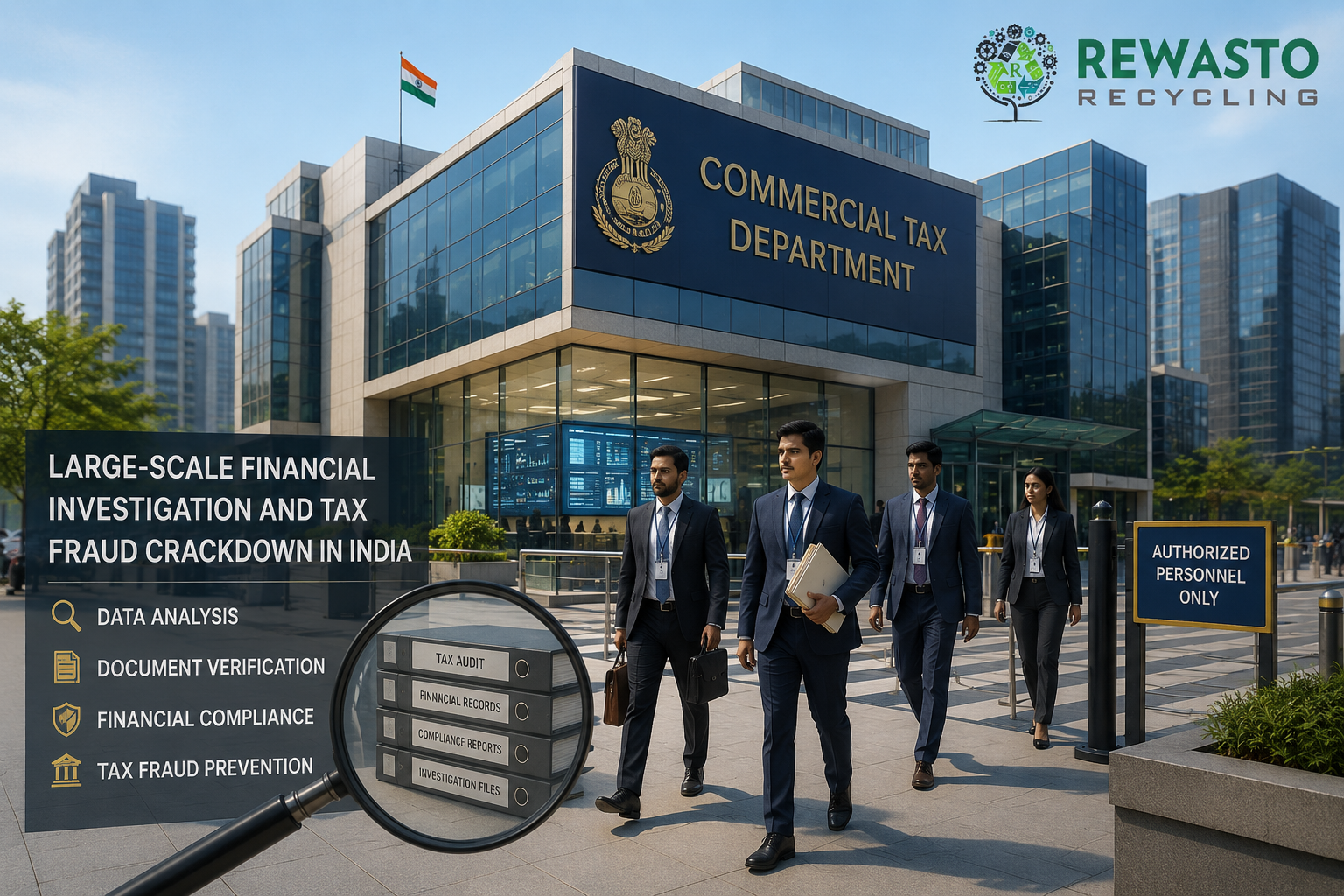
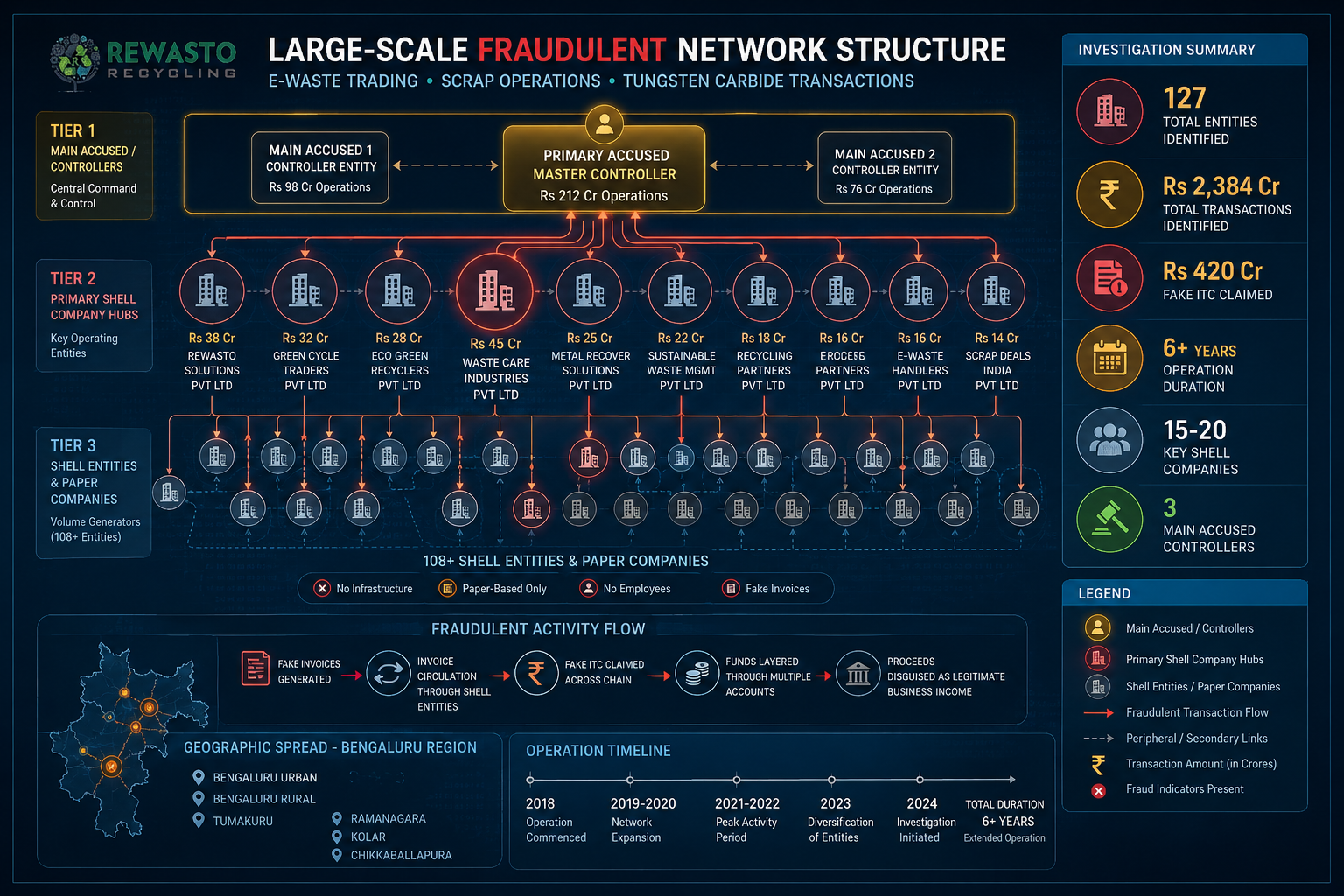
In one of the largest GST fraud operations uncovered in recent years, the Karnataka State Commercial Taxes Department has dismantled a sophisticated fake Input Tax Credit (ITC) network operating across Bengaluru and surrounding regions. The investigation revealed fraudulent transactions worth Rs 2,384 crore spread across 127 shell companies, with fake ITC claims totaling Rs 420 crore.
Two key accused have been arrested: one associated with K.H. E-Waste Recycler in Nayandahalli, who allegedly operated 55 fake supplier firms generating Rs 212 crore in suspicious transactions and Rs 38 crore in fraudulent ITC claims. The crackdown was executed jointly by the Enforcement Wing (South Zone) and the Service Analysis and Intelligence Wing of the Commercial Tax Department, demonstrating increasing coordination between state and central authorities.
⚠️ Investigation Finding
The network had been operating for an extended period using fabricated documentation, manipulated invoices, and shell business structures designed specifically to evade tax detection systems.
Investigation data reveals complex shell company network with artificially inflated turnover and zero actual business operations.
How The Scam Operated
The operation demonstrates sophisticated understanding of GST infrastructure vulnerabilities. Here’s how the fraudsters operated:
🏢
Shell Entity Creation
Multiple paper-based firms with no warehouses, employees, transport records, or actual business infrastructure.
📄
Fake Invoicing
Manipulated invoices and fabricated documentation designed to pass initial portal verification checks.
🎯
ITC Claims
Fraudulent Input Tax Credit claims without corresponding actual goods or services supplied.
📈
Turnover Inflation
Companies showing abnormal rises in turnover despite zero physical business activity or operations.
📌 Modus Operandi
The scam specifically targeted the e-waste and scrap trading sectors, leveraging regulatory complexity and lower scrutiny levels in these industries compared to mainstream manufacturing.
Red Flags Every Business Should Know
Investigators identified several warning patterns that regulatory bodies now prioritize during compliance audits. Companies should conduct self-audits against these markers:
Red Flag
What It Indicates
Risk Level
Suppliers with no physical presence or infrastructure
Potential shell company network
Critical
Abnormal turnover spikes without corresponding business growth
Fabricated sales documentation
Critical
No transport, warehouse, or employee records
Paper-based operations only
Critical
Invoices from suppliers in low-regulation sectors
Easier to create fake billing chains
High
Circular trading patterns or repetitive invoice cycles
Artificial transaction generation
High
Supplier GST IDs with mismatched PAN or address records
Identity manipulation or shell registration
High
Effective supplier due diligence and invoice verification are critical to avoiding inadvertent participation in fraud networks.
Business Impact and Liability
Companies must understand that even unintentional involvement in fraudulent ITC networks carries severe consequences. The liability does not fall solely on the fraudster but extends to all parties in the transaction chain.
A company that unknowingly accepts fake invoices from suppliers can face disallowance of ITC claims, penalties, and even potential criminal prosecution if authorities determine negligence in supplier vetting.
Enforcement Intensification: What Changed
This case represents a broader shift in GST compliance enforcement. The government is now employing:
Cross-referencing GST portal data against GST filings: Automated detection of mismatches between declared suppliers and actual transactions
Real-time GSTR monitoring: Continuous tracking of GST returns for suspicious filing patterns and supplier networks
Multi-agency collaboration: Joint operations between state commercial tax departments, CBIC, and ED for integrated enforcement
⚠️ New Reality
Authorities now treat supplier due diligence failure as negligent compliance, increasing corporate liability even when fraud is initiated by suppliers rather than the buyer company.
How to Protect Your Business
1. Implement Robust Supplier Verification
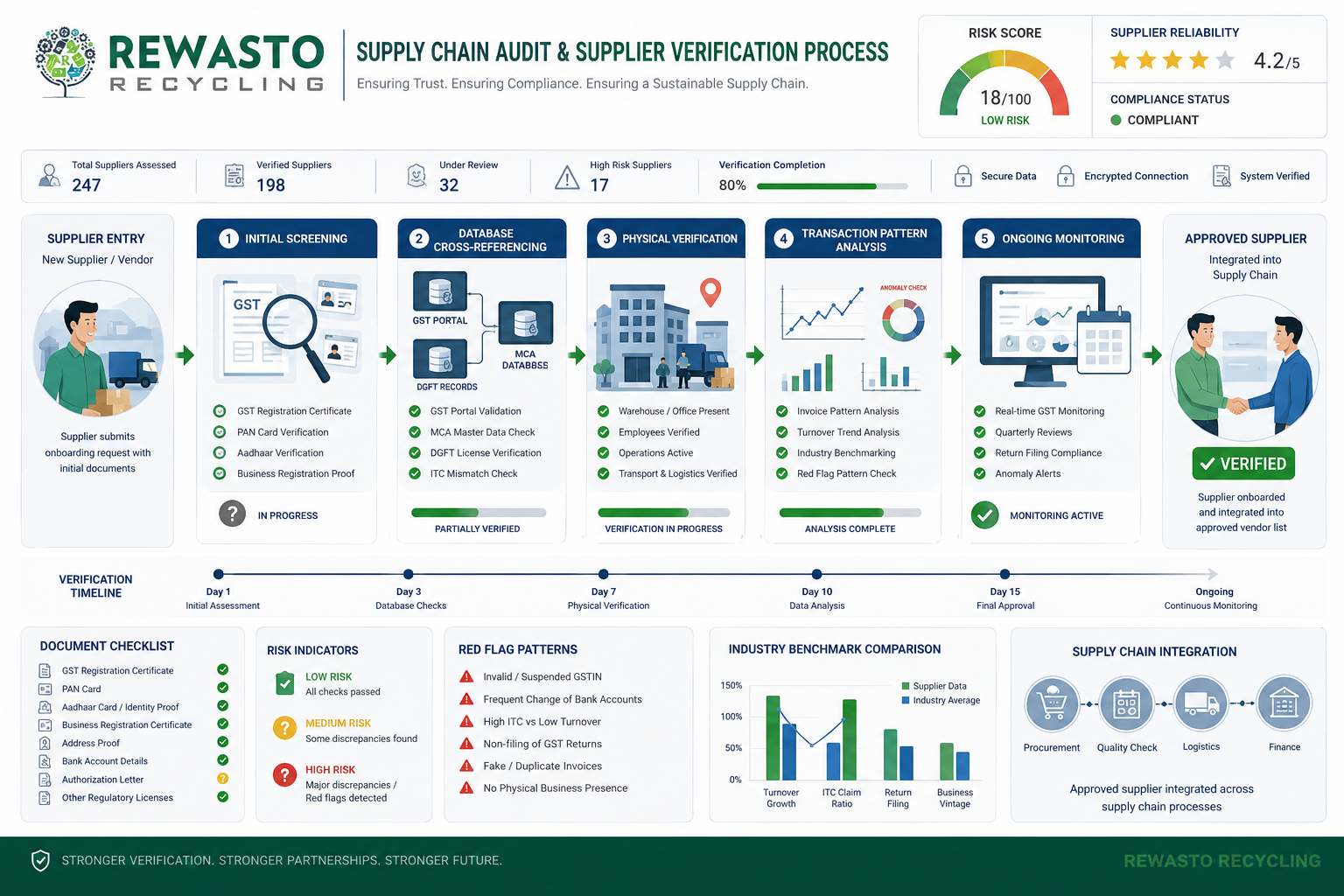
Before onboarding any supplier, verify GST registration, physical business location, and business continuity records. Cross-check GST NTIN with MCA records and DGFT databases. Document all verification activities.
2. Monitor Invoice Authenticity
Establish an internal protocol to validate invoices against supplier registration details, declared business activities, and historical transaction patterns. Flag invoices from sectors with higher fraud prevalence (e-waste, scrap, recycling).
3. Maintain Detailed Records
Retain all supporting documents for supplier interactions, verification activities, and invoice authenticity checks. This documentation becomes critical if authorities question your ITC claims.
4. Conduct Periodic Internal Audits
Hire external auditors to evaluate your GST compliance posture quarterly. Identify and eliminate suppliers exhibiting red flags before regulatory action occurs.
5. Track GST Notifications and Circulars
CBIC regularly issues alerts on fraudulent seller networks and high-risk invoice patterns. Subscribe to official CBIC communications and adjust procurement practices accordingly.