Is the Recycling Behind Your EPR Certificate Real? 8 Checks Before You Buy
Haier, Godrej & Boyce and Blue Star are under scrutiny over alleged unverified e-waste recycling. Here are the 8 checks to run before you buy your next EPR credit.
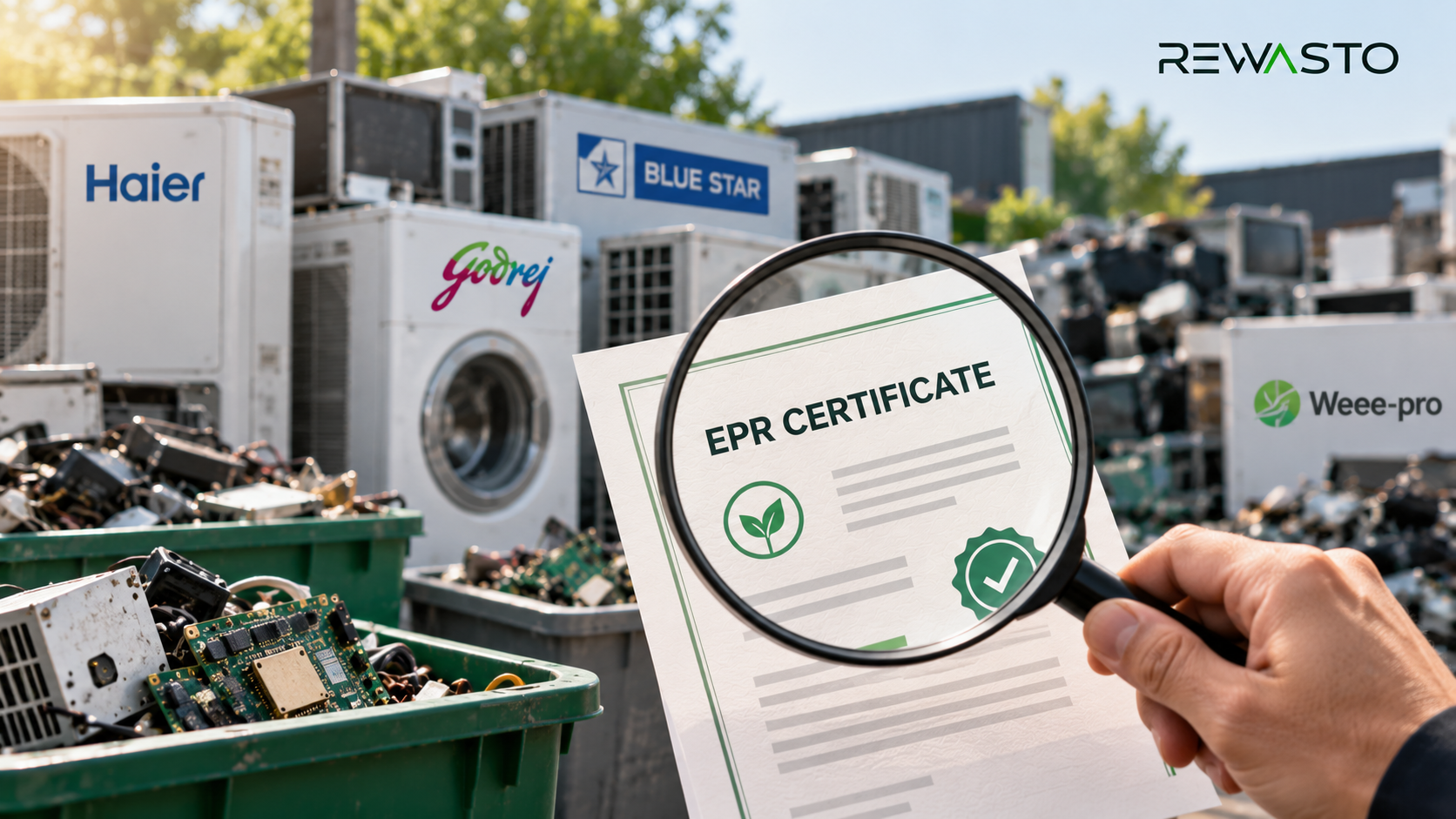
India's e-waste compliance ecosystem is under fresh scrutiny. Tax authorities have flagged alleged failures by Haier India, Godrej & Boyce and Blue Star to independently check whether recycling claimed through a recycler really took place.
Confirm the recycler on the CPCB E-Waste EPR Portal, check that it is registered for your EEE category, compare the quantity with its approved capacity, then trace the credit through collection, transport, receipt, dismantling, recycling and material recovery before you transfer it through the official EPR system.
According to a government notice reviewed by Reuters, the companies relied on documents and other evidence supplied by WEEE-PRO Resource Recovery Solutions. The notice says the underlying collection, transportation, receipt, dismantling and recycling were never independently verified.
For producers, importers, brand owners and compliance teams, that question now matters as much as the price of the certificate.
The ₹6.85 crore e-waste recycling case, explained
The notice cited by Reuters ties tax-credit claims to the three companies. The amount matters less than the verification gap behind it.
3 appliance companies, 1 recycler
Figures are approximate INR conversions of the amounts reported by Reuters.
Tax credits by company
Bars are scaled to the largest claim. Amounts in ₹ crore.
Share of the total
- Haier India51.5%
- Godrej & Boyce22.3%
- Blue Star26.1%
Company-wise breakdown
| Company | Tax-credit claim | Share | Reported response |
|---|---|---|---|
| Haier India | ₹3.53 crore | 51.5% | Committed to compliance; will respond to the authorities |
| Godrej & Boyce | ₹1.53 crore | 22.3% | Committed to compliance; will respond to the authorities |
| Blue Star | ₹1.79 crore | 26.1% | Committed to compliance; has stopped dealing with the recycler |
| Total | ₹6.85 crore | 100% | Recycler WEEE-PRO disputes the allegations, per the notice |
Shares are calculated from the reported figures and rounded.
What did the authorities question?
Reuters reports that the companies were accused of not independently verifying whether each stage of the recycling chain had occurred:
Investigators examined documents, communications and photographs submitted as evidence. The notice alleges that some photographs and documents were manipulated or fabricated, and investigators even compared photograph timestamps against sunset times. Reuters also reports that several consumer-electronics companies have begun reviewing their recycling supply chains.
What to ask for at each stage
| Stage | Evidence to ask for | Should reconcile with |
|---|---|---|
| Collection | Procurement invoices, weights, dates, source details | Transport records |
| Transportation | Vehicle details, transport documents | Quantity received |
| Receipt | Weighbridge, gate-entry and inward records | Processing records |
| Dismantling and recycling | Dismantling and processing records | Recovered output |
| Material recovery | GST-linked sales invoices for recovered metals and end products | Certificate quantity and category |
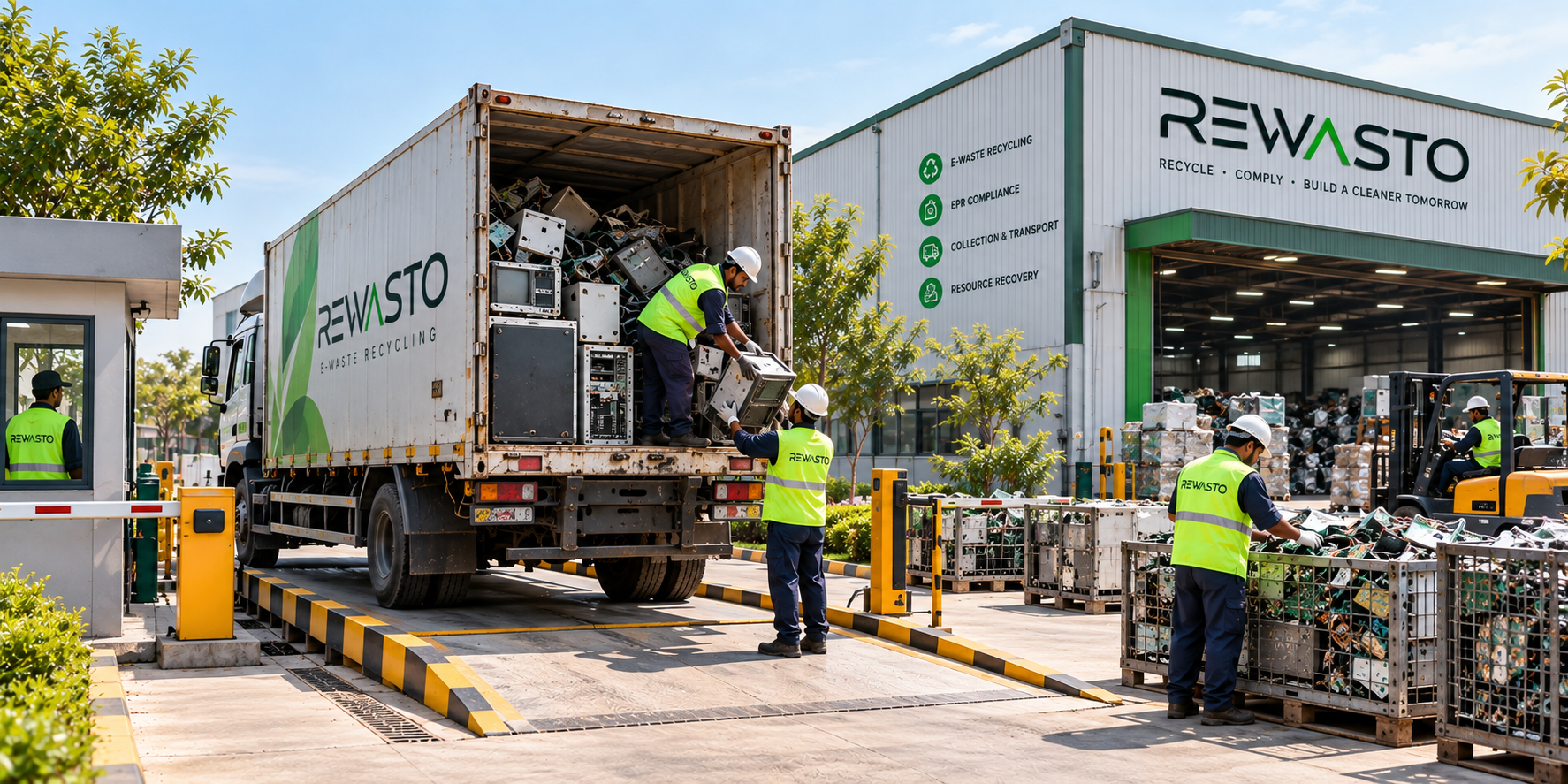
Why EPR certificate buyers should care
Under India's e-waste framework, producers meet their EPR obligations by buying EPR certificates from registered recyclers. the CPCB E-Waste Management System says the recycler must be registered for the EEE code that the producer's obligation covers.
Finding a recycler on the portal is a starting point. The harder question is whether the recycler can demonstrate the activity behind the certificate.
How to verify an EPR certificate: 8 checks before you buy
CPCB registration
Confirm the recycler on the CPCB E-Waste EPR Portal itself: name, status, facility details and permissions. A broker's PDF or WhatsApp screenshot is not enough.
EEE category
A registered recycler is not automatically registered for your category. Match your EEE category to the recycler's registered category and the certificate.
Processing capacity
Compare the quantity claimed with the facility's approved capacity. A large mismatch calls for deeper due diligence.
Collection and procurement
Ask for seller invoices or receipts, weights, dates and source details. CPCB's FAQ expects whole equipment to be collected, not selected parts.
Transport and receipt
Look for vehicle details, transport documents, weighbridge and gate-entry records. Collection, transport and receipt quantities should agree.
Actual recycling
Ask what happened after receipt: segregation, dismantling, processing and recovery. Check the process, not only the paperwork.
Material recovery
CPCB's FAQ calls for GST-linked sales invoices for recycled metals and end products. Ask what came out after recycling.
Certificate match
Check that the certificate's quantity, category and transaction line up with everything above, and transfer it through the official EPR system.
Reconcile the credit with the evidence
Before buying a large quantity of credits, you should be able to complete this table. One certificate should have a traceable story behind it.
| Evidence | What to check |
|---|---|
| Recycler registration | Valid, current and applicable |
| EEE category | Matches your obligation |
| Processing capacity | Reasonable for the claimed quantity |
| Procurement and collection | Real e-waste, with quantity and source |
| Transport and receipt | Movement evidence and inward records |
| Dismantling and recycling | Processing records |
| Recovery and sales | Output and end-product sales records |
| EPR certificate | Correct quantity and category |
Don't make price the only decision
The cheapest certificate is not always the lowest-risk one. Weigh price together with registration, category cover, capacity, traceability, documentation, facility verification and audit readiness. Cheap compliance becomes expensive if the transaction cannot be defended.
Compare recyclers on more than price
| Factor | Question to ask | Warning sign |
|---|---|---|
| Price | What is the cost per unit? | Unusually low, with no explanation |
| Registration | Is the recycler registered right now? | Proof is only a PDF or screenshot |
| Category | Does it cover my EEE obligation? | Registered, but not for your EEE code |
| Capacity | Does the claimed volume make sense? | Quantity far above approved capacity |
| Traceability | Can the chain be demonstrated? | Records "available later" |
| Documentation | Are supporting records available? | Photos without invoices or weights |
| Facility | Can the facility and process be verified? | No review or visit possible |
| Audit readiness | Can records be produced if questioned? | No record trail you can keep |
A responsible purchase, step by step
Before purchase
- Verify the recycler
- Verify the EEE category
- Check capacity
- Review credentials
- Understand the records available
During purchase
- Verify certificate details
- Match quantity to your obligation
- Complete the transfer through the official EPR system
After purchase
- Keep transaction records
- Keep supporting documents
- Reconcile certificates with returns
- Maintain an audit-ready file
CPCB requires recyclers to keep records of raw-material procurement, end-product sales and EPR certificate transactions. The portal currently states that certificate transfers have resumed, and reminds producers to meet their targets and file quarterly returns.
The takeaway
This case does not mean EPR certificates are inherently unreliable, and the answer is not to stop buying them. It is to buy them with stronger due diligence. Trace every credit back through the whole chain:
Genuine recyclers stand to gain here, because transparent records and verifiable processing become a competitive advantage. If you are a producer or importer still getting set up, start with our EPR producer registration guide, or speak to an EPR and e-waste recycler in Delhi.
Frequently asked questions about EPR certificates
How do I verify an EPR certificate?
Confirm the recycler on the CPCB E-Waste EPR Portal itself, check that it is registered for your EEE category, and compare the quantity claimed with its approved capacity. Then ask for evidence of collection, transport, receipt, dismantling, recycling and material recovery, check that the certificate quantity and category match, and transfer it through the official EPR system.
What is an EPR certificate for e-waste?
Under India's e-waste framework, producers meet their EPR obligations by buying EPR certificates from registered recyclers. The recycler must be registered for the EEE code that the producer's obligation covers.
What happened in the Haier, Godrej & Boyce and Blue Star case?
According to a government notice reviewed by Reuters, tax authorities flagged alleged failures by the three companies to independently verify recycling claimed through the recycler WEEE-PRO Resource Recovery Solutions. About ₹6.85 crore in tax credits is under scrutiny. The companies say they are committed to compliance, and WEEE-PRO officials dispute the allegations. These are allegations, not findings.
Does this mean EPR certificates are unreliable?
No. The case does not mean EPR certificates are inherently unreliable, and the answer is not to stop buying them. It is to buy them with stronger due diligence and to trace every credit back through the whole recycling chain.
What documents should I ask a recycler for?
Ask for procurement invoices with weights, dates and source details, transport documents and vehicle details, weighbridge and gate-entry records, dismantling and processing records, and GST-linked sales invoices for recovered metals and end products. These should reconcile with the certificate quantity and category.
Is the cheapest EPR certificate the best choice?
Not necessarily. The cheapest certificate is not always the lowest-risk one. Weigh price together with registration, category cover, capacity, traceability, documentation, facility verification and audit readiness.
How do I know a recycler is registered for my EEE category?
Check the recycler's name, status, facility details and permissions on the CPCB E-Waste EPR Portal. A registered recycler is not automatically registered for your category, so match your EEE category to the recycler's registered category and the certificate.
Rewasto Recycling: EPR compliance you can trace
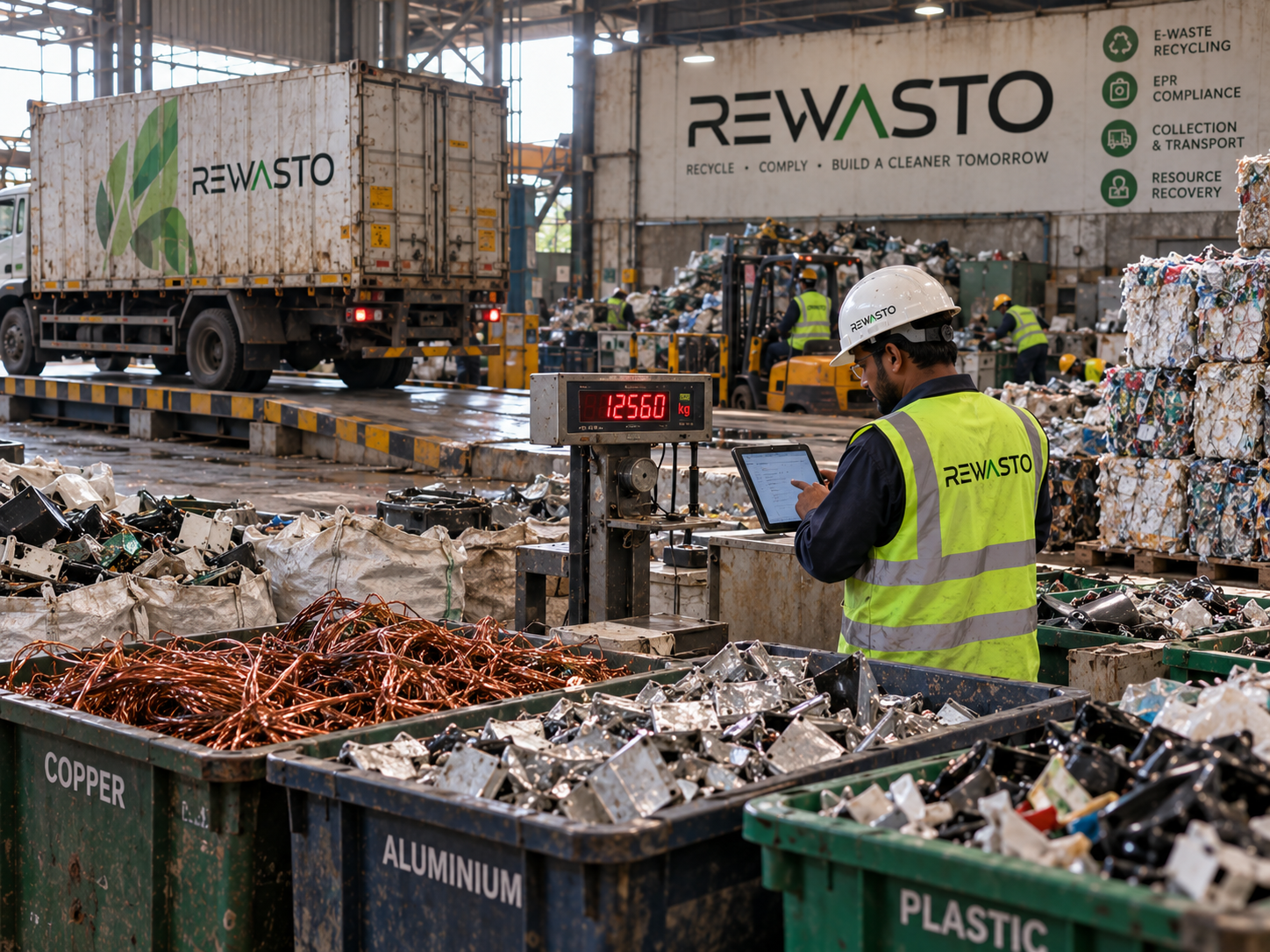
Rewasto Recycling helps brands, importers and manufacturers meet their e-waste obligations with end-to-end traceability, reporting and recycling services across Delhi NCR. We believe the eight checks above are the right standard, and we encourage you to apply them to any recycler, including us.
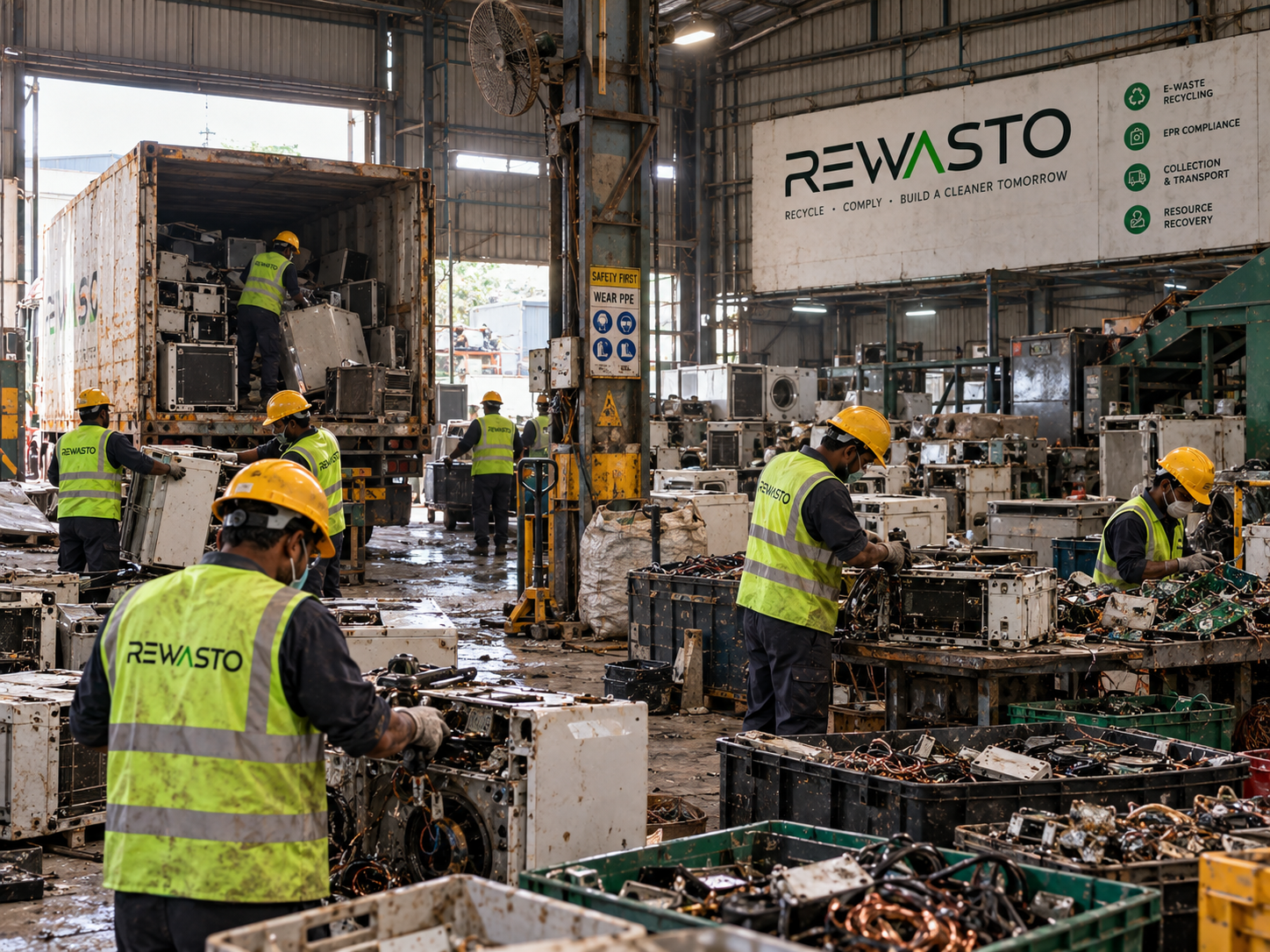
Explore our EPR and e-waste recycling services in your city:
Talk to our team at connect@rewasto.in